



How to Choose the Best Base Layer for Winter Cycling
Words: Soomom Team


Cold-weather riding can live or die on the layer closest to your skin.
Your jacket might get most of the attention, but a good cycling base layer plays an important role in keeping you comfortable — moving moisture away from your skin, helping regulate temperature and giving the rest of your layering system a better chance to work.
Choose the wrong combination and you can end up soaked after the first climb and freezing on the descent. Choose well, and you can stay comfortable across changing temperatures and effort levels.
Here's what to look for.


What should a winter cycling base layer do?
The primary job of a cycling base layer is moisture management.
As your effort increases, the fabric helps move perspiration away from your skin so it can evaporate more effectively through your other layers. Depending on its material and weight, a winter base layer can also provide some insulation and help regulate body temperature.
That's why cotton is generally a poor choice for cycling. It absorbs moisture and dries slowly, leaving damp fabric sitting against your skin.
Technical synthetic fabrics and merino wool are designed to manage moisture far more effectively.
Merino wool vs synthetic base layers
There isn't one material that's best for every ride. Your choice should depend on the conditions, duration and intensity of your riding.
Merino wool is naturally temperature regulating, resistant to odour and continues to provide insulation when damp. It's particularly well suited to long endurance rides, cooler conditions and days when your effort level is likely to vary.
It also tends to remain fresher between washes, making merino useful for multi-day riding and travel.
The trade-off is that merino generally dries more slowly than lightweight synthetic fabrics and is typically more expensive.
Explore our merino jerseys for men and merino cycling apparel for women.
Synthetic base layers are generally lightweight, highly breathable and quick drying. That makes them particularly useful for higher-intensity riding where you're generating more body heat and perspiration — think fast group rides, intervals and racing.
They're also typically durable and easy to care for.


For many cyclists, the answer isn't choosing one or the other. Keeping different base layers in rotation lets you match the fabric and weight to the conditions and the type of ride.
Choosing the right base layer weight
Fabric weight can make just as much difference as fabric type.
As a general guide:
- Lightweight — best for cool conditions, transitional seasons and harder efforts where you're likely to generate plenty of body heat.
- Midweight — a versatile winter option for colder rides and changing conditions, particularly when paired with a long-sleeve jersey or wind-resistant outer layer.
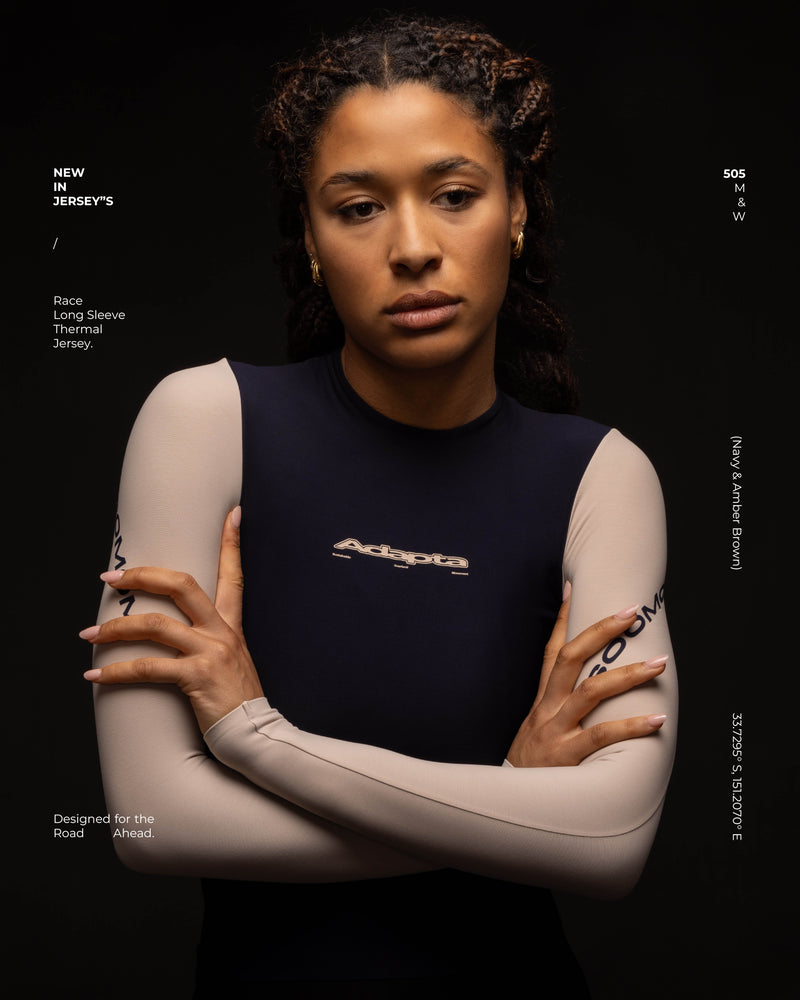
- Heavyweight or thermal — designed for genuinely cold conditions, lower-intensity winter rides or riders who tend to feel the cold.
Temperature ranges can be useful as a starting point, but they shouldn't be treated as absolute rules.
A hard training ride at 8°C can require a completely different layering system to an easy recovery ride at the same temperature. Wind, rain, humidity and your own tolerance to cold all matter.
As your riding intensity increases, you'll generally need less insulation.
How should a cycling base layer fit?
Close to the body.
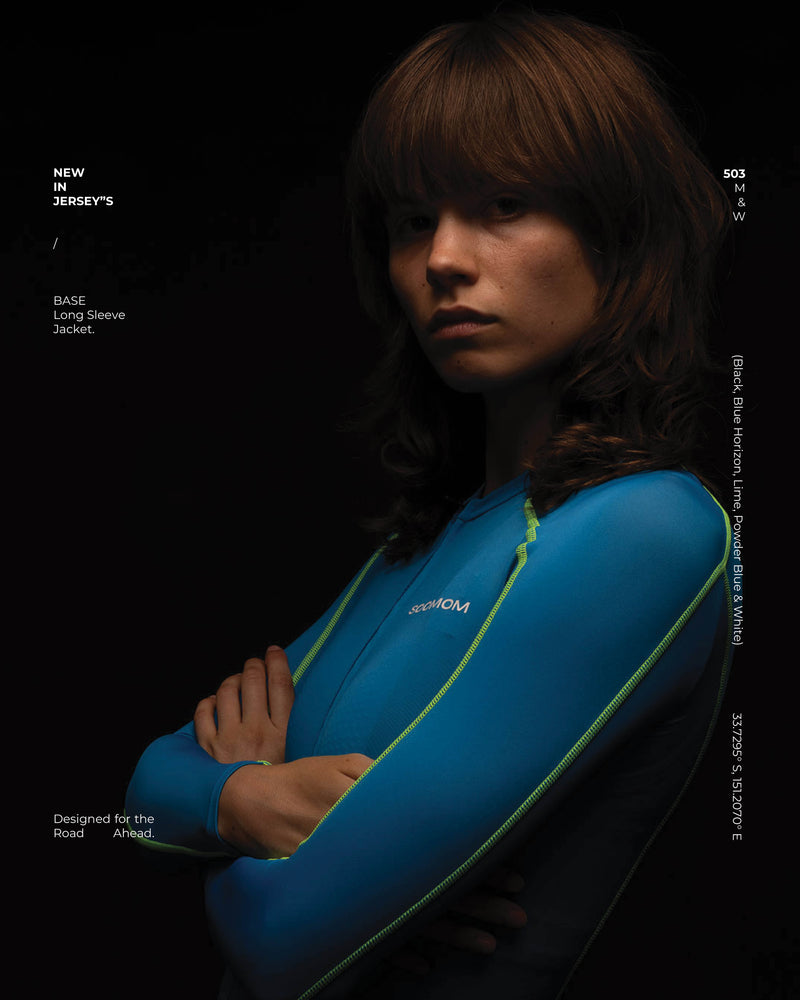
A base layer works most effectively when the fabric sits against your skin, allowing it to move moisture away rather than letting perspiration collect underneath loose fabric.
Look for a fit that's snug through the torso and shoulders without restricting breathing or movement.
You also want to avoid excess fabric around the waist and shoulders, where it can bunch underneath a fitted cycling jersey.
Think close-fitting, not restrictive.


How to build a winter cycling layering system
Your base layer is only one part of the equation.
For colder riding, think about your clothing as a system with each layer performing a different role:
- Base layer — moisture management and temperature regulation
- Mid layer — insulation, typically a long-sleeve cycling jersey
- Outer layer — protection from wind and rain
The advantage of layering is flexibility.
You might start a cold morning wearing all three layers, open your jacket as the temperature rises, or pack a lightweight outer layer into your jersey pocket once conditions improve.
Wind protection is particularly important on the bike. Even when the air temperature isn't especially low, wind chill at cycling speeds can make conditions feel considerably colder.
Explore our men's winter cycling collection and women's winter cycling collection to build a complete layering system.


Winter cycling base layer FAQs
Can I wear a base layer under a summer jersey?
Absolutely. A lightweight base layer underneath a short-sleeve jersey is one of the easiest ways to make your summer kit more versatile through cooler mornings and transitional weather. Add arm warmers or a gilet and you can cover a surprisingly wide range of conditions.
How often should I wash a cycling base layer?
Synthetic base layers are generally best washed after sweaty rides, following the garment's care instructions. Merino naturally resists odour and may be suitable for multiple wears between washes depending on how heavily you've used it.
Avoid fabric softener with technical cycling garments, as it can affect the performance of some moisture-managing fabrics.
Do I need a base layer for my legs?
Usually not. Bib tights, thermal bib tights, knee warmers and leg warmers are designed to provide the additional coverage and insulation your legs need.
For most winter riding, the combination of a good upper-body base layer and appropriate thermal legwear is enough.


Finding the right winter cycling base layer
There isn't a single perfect base layer for every winter ride.
Think about temperature, ride intensity, duration and weather conditions. A lightweight synthetic layer may be ideal for a hard training session, while merino or a warmer layer can make more sense for a long winter endurance ride.
Most importantly, treat your base layer as part of a complete system rather than trying to make one garment do everything.
Complete your winter setup
Getting your base layer right is only part of staying comfortable through winter. For the full picture, see our complete guide to what to wear cycling in winter, or read our guides to choosing winter cycling gloves, neck warmers and thermal headbands to build a complete cold-weather setup.
Shop Men's Base Layers Shop Women's Base Layers