


What to Wear Cycling in Winter: The Complete Guide
Winter riding is less about one heavy jacket and more about getting a handful of layers right — base, core, extremities. Get the system right and you can ride comfortably from a cold start through to a warm finish. Here's how to think about each piece.

Layering Basics: Why Layers Beat One Heavy Jacket
The problem with a single heavy jacket is that it's built for the coldest moment of your ride, not the whole ride. You'll overheat on the climbs and cool down fast the moment you stop moving. Layering solves this: a breathable base layer manages moisture next to your skin, a mid layer or jersey handles the bulk of your insulation, and an outer layer blocks wind and rain when you need it. Add or shed layers as the ride and the weather change, rather than picking one jacket and hoping it's right all day.
Base Layers: Your First Line of Defence
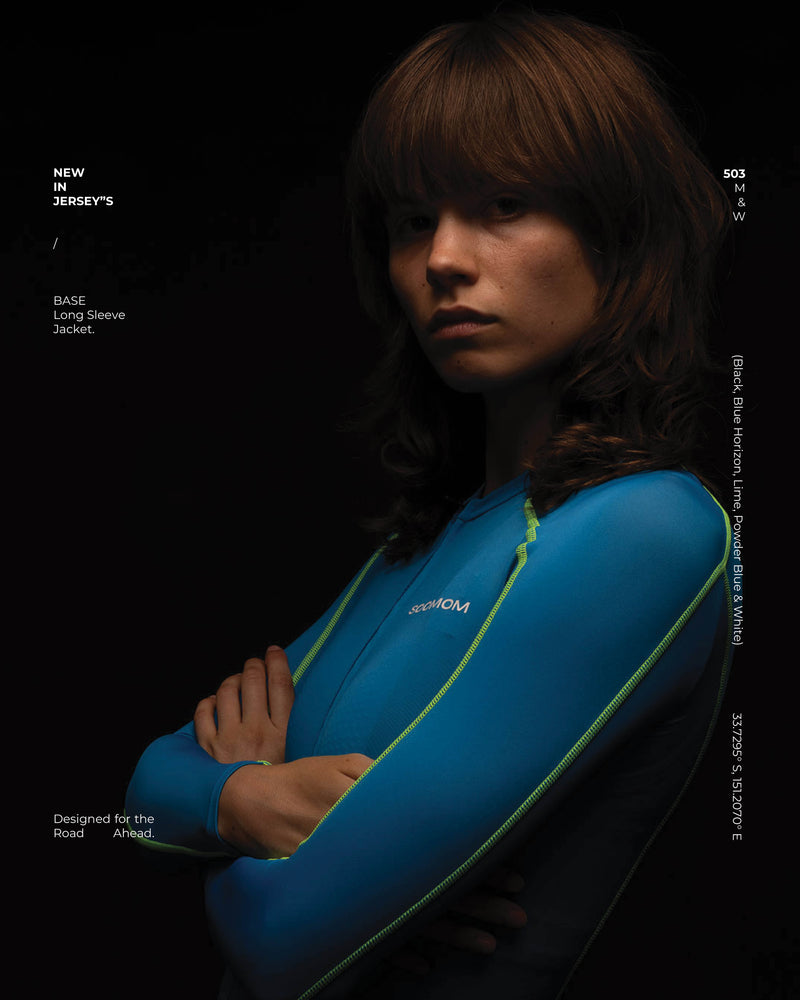
Everything else in your winter kit works better over a good base layer — it's what actually keeps you dry by moving sweat away from your skin, which matters more for staying warm than the thickness of anything you wear on top. We've written a full breakdown of what to look for and how to choose one: How to Choose the Best Base Layer for Winter Cycling. Our own Base Concept LS Jersey is built for exactly this role.
Core Warmth: Jackets, Vests & Jerseys
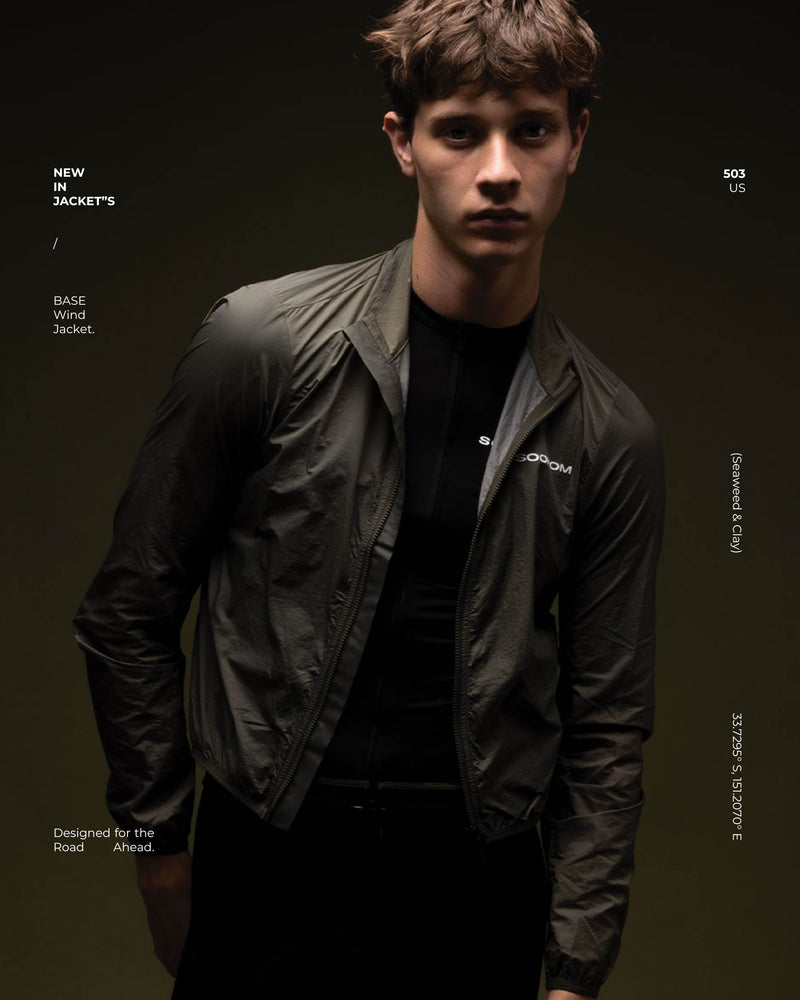
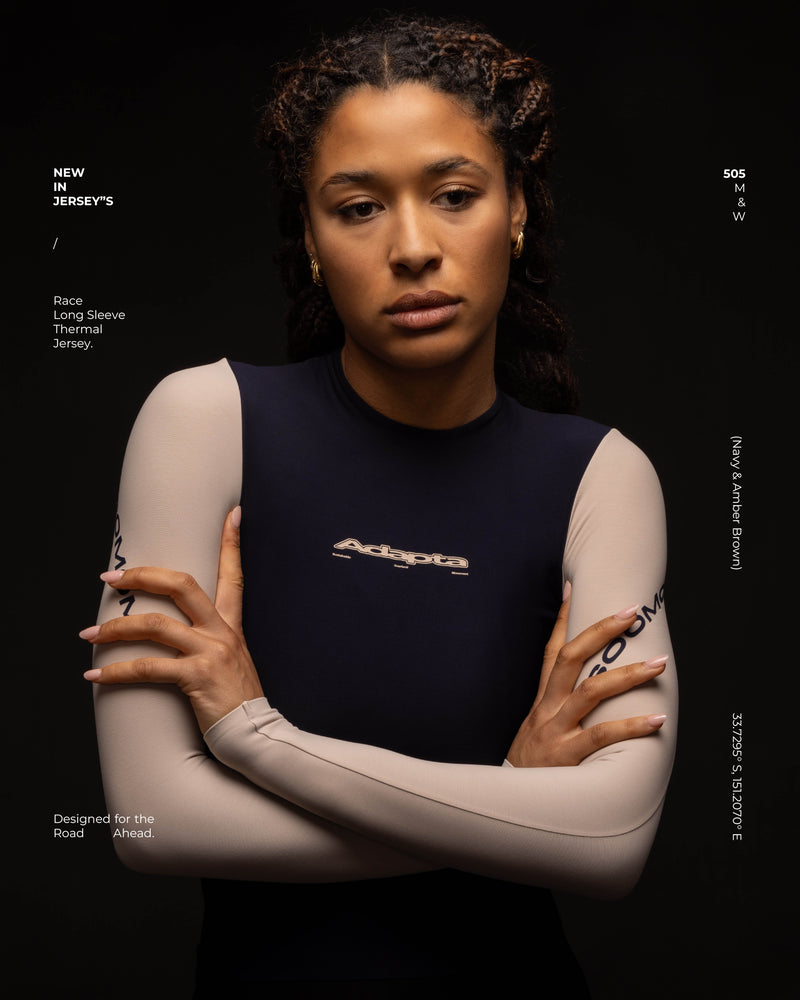
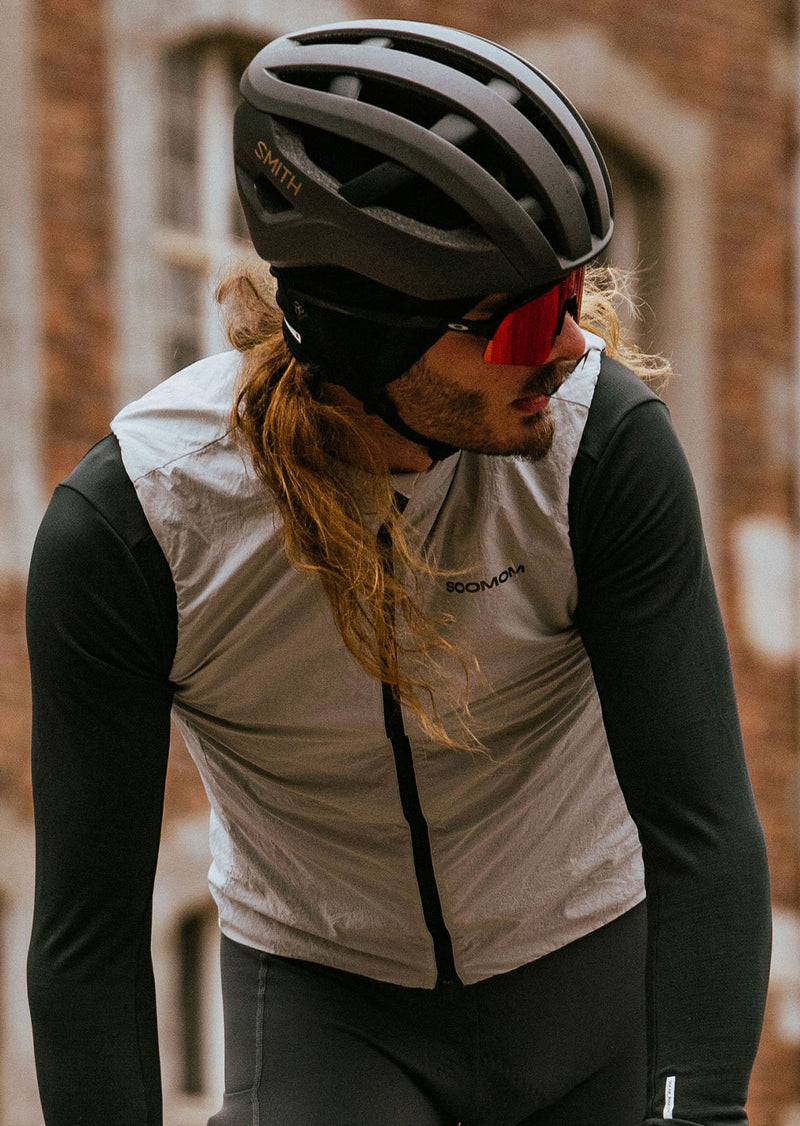
Your core layer is where most of your temperature regulation happens on the bike. A long-sleeve thermal jersey works for most winter mornings on its own; add a windproof vest or jacket on top for descents, exposed roads, or when the temperature really drops. The trick is resisting the urge to overdress before you've started riding — you should feel slightly cool standing still at the start of a ride, because you'll warm up fast once you're moving. Browse our Men's and Women's Winter Cycling ranges for jackets, vests and thermal jerseys built for exactly this, including pieces like our All-Round Thermal Wind Gilet.


Neck & Head
A surprising amount of heat loss happens through your neck and the base of your skull, and it's one of the easiest places to fix cheaply and quickly. A neck warmer stops cold air funnelling down your jersey collar, and a thermal headband under your helmet covers your ears without the bulk of a full skull cap. We've got full guides on both: Why You Need a Neck Warmer for Winter Cycling (And How to Wear One) and Do You Need a Thermal Headband for Winter Cycling? — see our neck warmers and thermal headbands.
Hands: Winter Cycling Gloves
Cold hands are one of the fastest ways to ruin a winter ride — and one of the hardest things to fix mid-ride once it's happened. The right pair depends on how cold and how wet your typical winter ride actually gets; we cover the differences in our guide: How to Choose the Right Winter Cycling Gloves. Our windproof winter gloves are built for the colder end of that range.
Legs: Tights, Knee & Leg Warmers
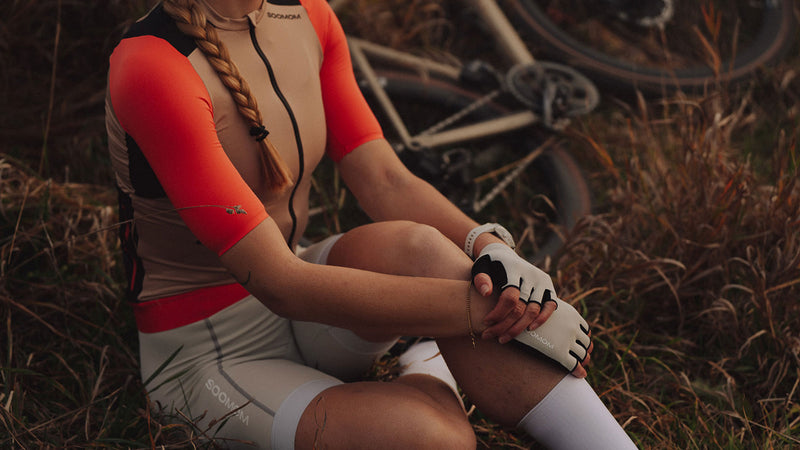
Legs generate a lot of heat while you're pedalling, so they need less insulation than your core — but wind chill on exposed skin still adds up over a long ride. Leg and knee warmers are the flexible option: add them for a cold start and peel them off if the day warms up, without needing to stop and change. For consistently cold conditions, full tights are the simpler, warmer choice, like our All-Round Cargo Thermal Bib Tights. See our Men's and Women's Bib Tights & Tights, or our Leg & Arm Warmers for the flexible option.


Feet: Socks & Shoe Covers
Feet are often the last thing riders think about and the first thing to go cold, since they're both furthest from your core and directly exposed to wind through the mesh and vents in most cycling shoes. A merino or merino-blend sock is worth it for winter specifically because it stays warm even when damp, which matters on longer rides. It's tempting to reach for the thickest sock in the drawer, but a sock that's too bulky can compress your foot inside the shoe and restrict circulation — which makes your feet colder, not warmer. If you're regularly riding in genuinely cold or wet conditions, a windproof or waterproof shoe cover over your normal shoes blocks the wind that gets through the mesh and vents built for summer ventilation, and is generally more effective than trying to solve cold feet with socks alone.
Quick Reference: What to Wear by Temperature
| Temperature | Core | Legs | Extremities |
|---|---|---|---|
| 15–20°C | Light long-sleeve jersey or base layer + short-sleeve jersey | Shorts or knee warmers | Light gloves optional |
| 10–15°C | Base layer + thermal jersey | Knee or leg warmers | Light gloves, thin headband |
| 5–10°C | Base layer + thermal jersey + vest | Leg warmers or light tights | Winter gloves, neck warmer, headband |
| Below 5°C | Base layer + thermal jersey + windproof jacket | Full tights | Insulated winter gloves, neck warmer, thermal headband |
Use this as a starting point, not a rule — how cold you run, wind, rain and ride intensity all shift these numbers around.
Layer for the ride you're about to do, not the coldest moment of it.
However you build your system, the same principle holds: manage moisture at the skin, add or remove layers as the ride demands, and don't forget the extremities — hands, feet, neck and head lose heat fastest and are the easiest to get right.